Choose a role to explore responsibilities and requirements.
Distributed Systems Architect
Changsha · Negotiable
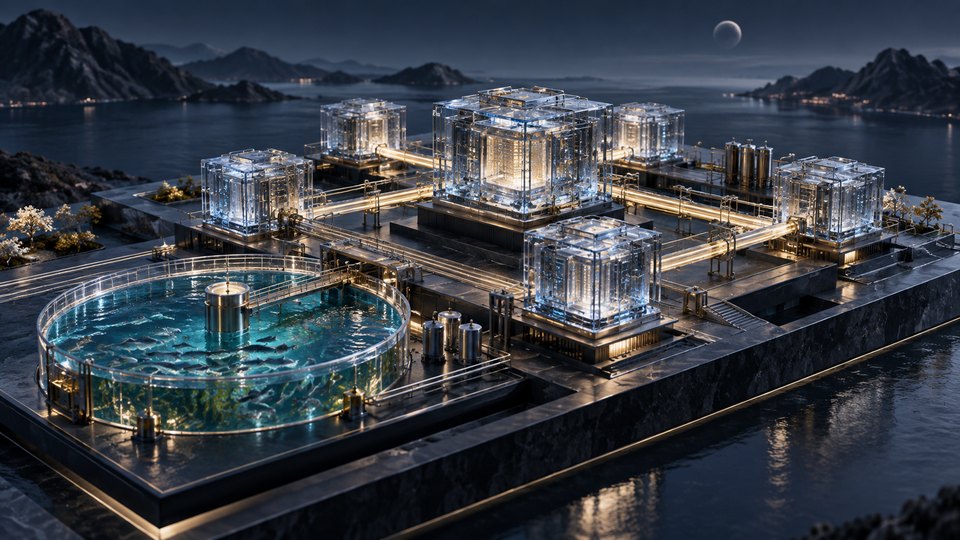
Connect field equipment, edge nodes and cloud services; design system boundaries, data flows and reliability for Thousand Star Matrix.
AI-generated concept · Not a site photograph or validated result
Responsibilities
Lead the architecture of Thousand Star Matrix, defining system layers, module boundaries and communication protocols.
Design distributed data governance and control, with secure separation and efficient exchange of operational data across brands and sites.
Design highly available edge nodes for low-latency local inference and coordination with cloud services at remote aquaculture sites.
Develop disaster recovery, scaling and performance optimisation strategies; improve stability in demanding environments and validate operating limits.
Lead technology selection and architecture reviews, producing high-quality technical documentation and Architecture Decision Records (ADR).
Collaborate closely with AI algorithm and IoT hardware teams to ensure end-to-end data pipeline integrity and consistency.
Requirements
Bachelor’s degree or higher in Computer Science, Software Engineering, or a related field.
5+ years of experience in distributed systems design and development, with hands-on experience deploying large-scale systems in production.
Proficiency in at least one microservices technology (Spring Cloud, Go-Micro or gRPC), and familiarity with service mesh architecture.
Deep understanding of the CAP theorem, consensus protocols (Raft/Paxos), distributed transactions, and eventual consistency patterns.
Experience with Kubernetes, and familiarity with CI/CD pipelines and infrastructure as code (IaC).
Excellent systems thinking and cross-team communication skills, with the ability to translate ambiguous business requirements into clear technical architectures.
Preferred experience and qualifications
Experience with Edge Computing or IoT platform architecture.
Familiarity with IoT communication protocols (MQTT / CoAP / LoRaWAN).
Experience designing and deploying cross-region distributed systems (multiple data centres, hybrid cloud).
Knowledge of the aquaculture or agricultural technology industry is a plus.
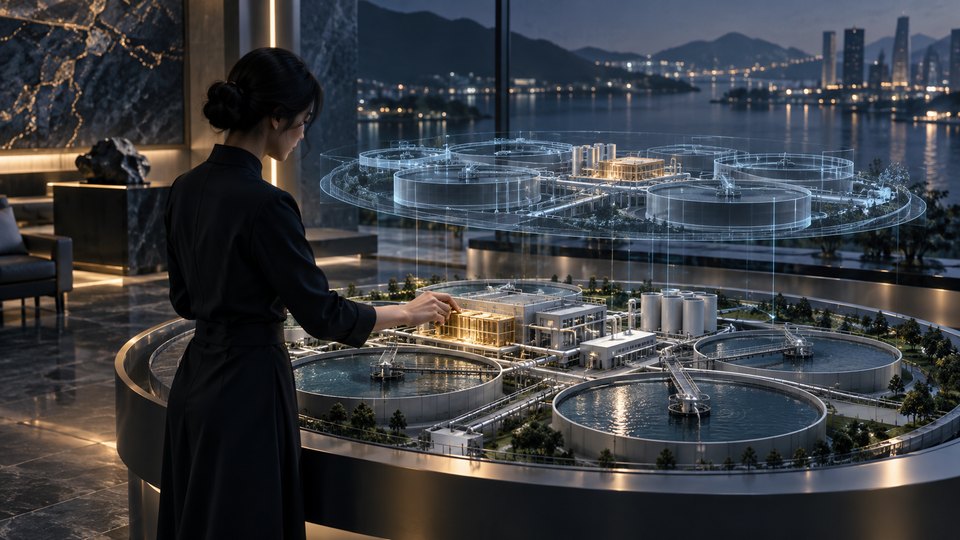
Develop algorithms for visual analysis of fish, time-series data and environmental change, connecting model evaluation with field validation.
AI-generated concept · Not a site photograph or validated result
Responsibilities
Design and develop intelligent environmental control algorithms for Recirculating Aquaculture Systems (RAS), enabling multi-dimensional real-time prediction and adaptive regulation of water quality parameters.
Build computer vision-based fish behaviour analysis systems covering individual identification, abnormal behaviour detection, and growth estimation.
Develop fish metabolic modelling algorithms that combine nutritional parameters with environmental variables to optimise feeding strategies and growth efficiency.
Translate research into engineering implementations, from model training to inference on edge devices.
Establish model evaluation and iteration mechanisms, continuously optimising algorithm performance with quantifiable business improvement metrics.
Follow research presented at CVPR, NeurIPS and ICML, and assess its potential in production settings.
Requirements
Master’s degree or higher in Computer Science, Artificial Intelligence, Mathematics, or a related field.
3+ years of hands-on AI/ML engineering experience, with at least one model taken from initial development to production deployment.
Proficiency in PyTorch or TensorFlow, with full-pipeline experience in model training, tuning, and deployment.
Deep expertise in at least one of the following areas: Computer Vision (object detection/segmentation), time-series prediction, reinforcement learning.
Strong mathematical foundation (linear algebra, probability & statistics, optimisation), with the ability to understand algorithms from first principles.
Strong engineering skills and familiarity with the Python ecosystem and Linux development environments.
Preferred experience and qualifications
Experience with edge inference optimisation (ONNX / TensorRT / OpenVINO).
A grounding in biology or ecology, or a strong interest in aquaculture.
Experience with multimodal data fusion (vision + sensors + time-series).
Published academic papers in relevant fields (not required, but demonstrates research depth).
Willingness to travel periodically to aquaculture sites for on-site data collection and model tuning.
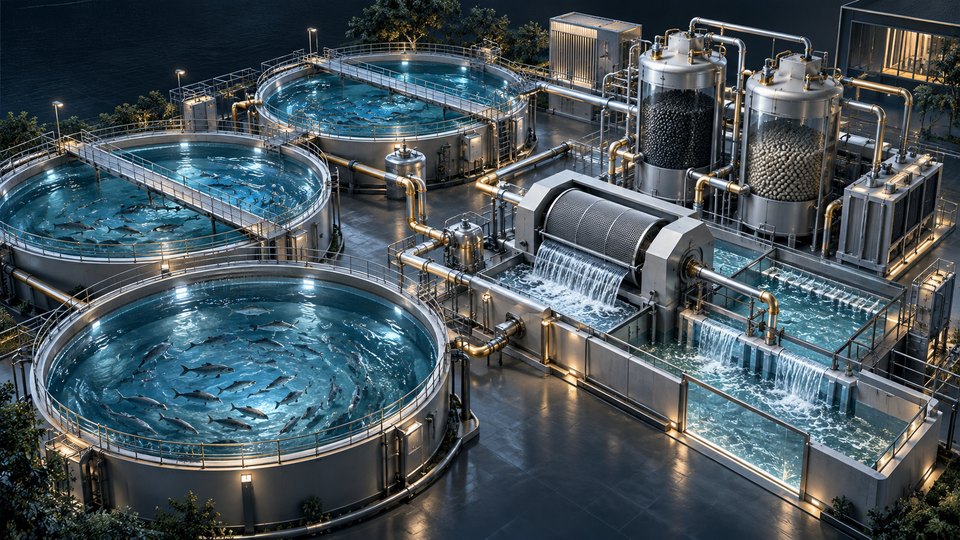
Work at recirculating aquaculture sites, design process experiments and build knowledge of the relationships between water treatment, equipment operation and biological conditions.
AI-generated concept · Not a site photograph or validated result
Responsibilities
Lead core process R&D for fully enclosed Recirculating Aquaculture Systems (RAS), including biofilter design, dissolved oxygen management, and precision temperature/pH control modules.
Design and execute application experiments for nanobubble fluid technology in aquaculture, quantifying its impact on dissolved oxygen micro-distribution, fish growth rates, and flesh quality.
Develop standard operating procedures (SOPs) and aquaculture process parameter specifications, and assess their applicability across sites.
Collaborate with the AI algorithm team to provide aquaculture domain expertise for intelligent environmental control systems, defining critical monitoring indicators and alert thresholds.
Continuously track domestic and international advances in aquaculture technology, introducing and validating new processes, equipment, and additives.
Produce technical and experimental reports with quantifiable metrics and improvement recommendations.
Requirements
Bachelor’s degree or higher in Aquaculture Science, Aquatic Biology, Environmental Engineering, or a related field.
3+ years of hands-on experience with Recirculating Aquaculture Systems (RAS) or intensive indoor aquaculture.
Deep understanding of water chemistry (dissolved oxygen, ammonia nitrogen, nitrite, pH, etc.) and its physiological effects on fish.
Ability to design experiments independently, develop protocols, collect data and carry out statistical analysis.
Understanding of the principles, operation and maintenance of water treatment equipment, including biofilters, protein skimmers, UV water-treatment equipment and membrane filtration.
Resilience and willingness to conduct long-term on-site R&D and process validation at aquaculture facilities.
Preferred experience and qualifications
Experience with nanobubble technology applications or fluid dynamics fundamentals.
Knowledge of the physiology and culture requirements of species such as bass, mandarin fish and grouper.
Knowledge of aquatic disease prevention and antibiotic-free aquaculture practices.
Cross-disciplinary collaboration experience (working with AI/IoT teams on data-driven aquaculture optimisation projects).
Understanding of food safety and aquatic product traceability systems.
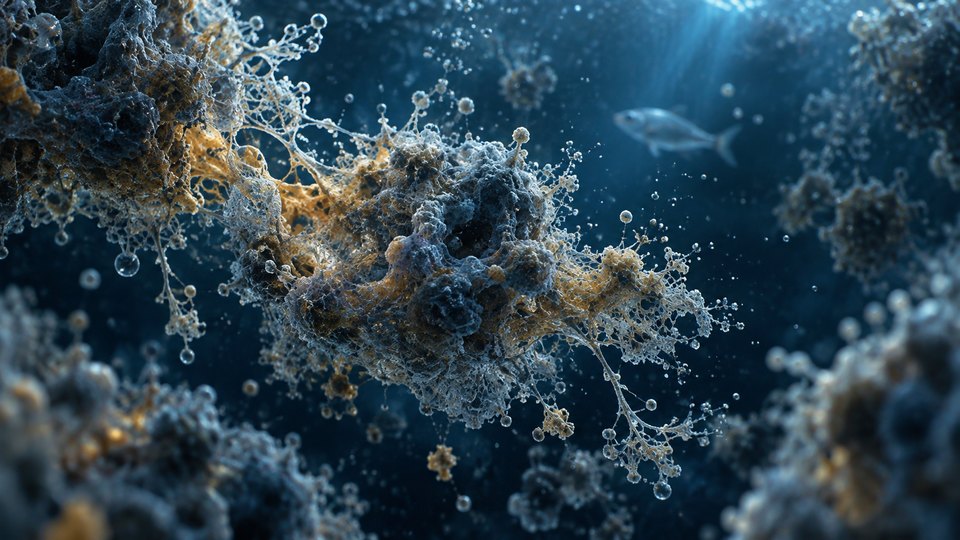
Study how nutrition and environmental conditions affect fish metabolism. Use experimental design and data analysis to produce findings that can be reviewed and tested.
AI-generated concept · Not a site photograph or validated result
Responsibilities
Design and conduct precision nutritional intervention experiments on target fish species, studying the effects of specific nutrients (amino acids, fatty acids, trace elements) on muscle fibre development, fat deposition, and flavour compound synthesis.
Establish metabolomics analysis workflows for fish, using mass spectrometry and liquid chromatography to monitor key metabolite changes.
Investigate how environmental factors, including dissolved oxygen, water temperature and photoperiod, regulate stress responses and metabolic pathways in fish.
Study interactions between the gut microbiome and host metabolism, and develop supporting approaches using probiotics or prebiotics.
Work with the aquaculture team to translate laboratory findings into process parameters suitable for field validation.
Organise experimental data, write research reports and contribute to publications and patents.
Requirements
Master’s degree or higher in Molecular Biology, Biochemistry, Aquatic Nutrition, or a related field.
3+ years of research experience in animal nutrition, metabolic regulation, or a related field.
Proficiency in molecular biology techniques such as PCR, Western blotting and ELISA, with a grounding in bioinformatics.
Familiarity with metabolomics or proteomics experimental workflows and data analysis methods.
Ability to design independent research and analyse data using R or Python.
Sound research practice and the ability to read and follow scientific literature in English.
Preferred experience and qualifications
Research background in fish physiology or aquatic nutrition.
Familiarity with 16S rDNA sequencing and metagenomics analysis.
Published research papers in SCI-indexed journals.
Deep understanding of and commitment to non-gene-editing biotechnology approaches.
Practical experience translating laboratory work into industrial production.